
Building the Future of African Media with Thabile Ngwato
In this powerful episode of the Mashstartup Podcast, we sit down with one of South Africa’s most formidable media entrepreneurs — Thabile Ngwato. As the co-founder and CEO of Rapid Innovation Group, the force behind Newzroom Afrika, Movie Room, and Bluestream Technologies, Thabile is not just telling the story — she’s rewriting the rules of who gets to tell it.
From her start in radio and television to launching Newzroom Afrika, Movie Room, and Bluestream Technologies, Thabile has carved out a bold path in the African media and tech landscape. She opens up about the transition from being a broadcaster to building sustainable businesses, and what it truly takes to lead in an industry that’s constantly evolving.
We talk about:
-
Her early career in radio and TV, and how it shaped her entrepreneurial mindset
-
The fast-paced journey of launching Newzroom Afrika in just five months
-
Why purpose, people, and innovation are central to how she builds
-
Her long-term vision for media and tech in Africa
-
What legacy means — and why she’s making space for the next generation of Black women leaders
If you’re building something meaningful, navigating change, or just want to learn from someone shaping the future of African media — this one is for you.
👇🏿 WATCH & SUBSCRIBE for more real stories from South Africa’s opportunity creators and builders.


Building More Than Denim: Tshepo’s Journey of Legacy, Grit and Growth
“Every stitch tells a story.”
In the latest episode of The Mashstartup Podcast, we sit down with Tshepo Mohlala, the founder of TSHEPO, a premium South African denim brand that’s become a symbol of pride, identity, and perseverance.
https://open.spotify.com/episode/72JKZhr3GXc31p5TzA3FiH?si=Q7nWCrjqQCegSBxXj3vOyw
What started as a small, self-funded hustle has evolved into one of South Africa’s most iconic fashion brands — worn by global leaders, royalty, and everyday believers in African excellence.
But this conversation goes beyond fashion.
It’s about what it really takes to build a legacy brand. The long nights. The self-doubt. The moments of breakthrough. The burden and beauty of representing something bigger than yourself.
In this episode, we unpack:
-
Turning rejection into redirection
Tshepo shares how countless job rejections forced him to double down on his gift — and how that decision changed the course of his life. -
The early days of hustle
We explore how he built TSHEPO from the ground up, sewing jeans by hand, selling to friends, and showing up relentlessly with a vision that wouldn’t die. -
Identity, storytelling, and brand-building
This isn’t about trends. It’s about purpose. We dive deep into how Tshepo built a brand that speaks to who we are, where we come from, and what we believe in. -
The weight of representation
Building a business that represents Black excellence, African identity, and global ambition isn’t easy — but Tshepo embraces the challenge with humility and determination.
Why You Should Listen
If you’re building anything — a business, a brand, a dream — this episode is for you.
It’s a blueprint for turning vision into value and setbacks into stepping stones.
🎧 Listen now on Spotify, Apple Podcasts, or wherever you get your podcasts.

Mowash: How Ayanda Dladla Turned a Weekend Frustration into a Digital Township Business
On this episode of the Mashstartup Podcast, I sat down with Ayanda Dladla, the co-founder of Mowash, a mobile car wash platform that’s quietly disrupting the way we think about time, tech, and township services.
But this isn’t just a story about washing cars — it’s a story about building with purpose, solving everyday problems, and using what you already know to create something new.
From Curious Kid to Car Wash CEO
Ayanda grew up in the townships of Durban, always taking things apart and building something better. Radios, remotes — anything with wires was fair game. That curiosity followed him into adulthood, where he worked as a Control and Automation Engineer for one of the biggest brewing companies in the world.
But like many founders, he couldn’t ignore a problem he was experiencing in his own life. In 2015, while living with his brother in Midrand, they noticed something strange: despite being surrounded by multiple car washes, it always took hours to get their cars cleaned. No proper place to sit. No real service culture. Just long waits and loud music.
So they decided to build the solution.
A Simple Idea: “What If the Car Wash Came to You?”
That question led to Mowash — short for Mobile Wash — a platform that lets customers book car wash services from wherever they are, while also helping existing car wash owners and washers access more customers.
“We didn’t want to be just another car wash,” Ayanda told me. “We wanted to create an ecosystem.”
Mowash is designed to solve three common frustrations:
-
Wasting time at traditional car washes.
-
Lack of consistent quality and customer experience.
-
Limited ways for informal washers to grow or formalise their hustle.
It’s a tech solution with real township roots — and that’s what makes it powerful.
Lessons from the Journey
Ayanda didn’t just plug in some code and hope for the best. He used his engineering background to build the platform, but quickly realised that running a business demands way more than technical skill.
“You become the marketer, the accountant, the customer service rep, the admin... all in one,” he said.
And through it all, he learned three key lessons:
Customer engagement is everything. You’re not building tech — you’re building trust.
Invest in your people. Your team is your growth engine.
Don’t quit, even when it doesn’t make sense. Stay focused on your north star.
Growing the Brand on Social
One of the smartest moves Mowash made? Doubling down on social media.
“Twitter has been doing wonders for us,” Ayanda shared. Around 90% of their marketing happens online — and it's working. Mowash doesn’t just advertise on social, they build community, sharing updates, engaging users, and keeping it authentic.
This is a lesson for all South African founders: You don’t need a billboard — you need connection.
Why This Story Matters
Mowash isn’t just about mobile car washes. It’s about seeing a gap in your everyday life and deciding to build the bridge.
Ayanda didn’t wait for investors or international platforms to solve his problem. He looked around, listened, learned, and launched. That’s the spirit of South African entrepreneurship.
And if you’ve ever had an idea that felt small, or doubted whether something “simple” could scale — this episode is a reminder that big things grow from real probl

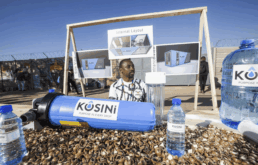
Filtering the Future: Building Clean Water Solutions with Murendeni Mafumo
https://youtu.be/H5cAfX4A704?si=3qnM6Uu93LFAsIei
“You can’t build sustainably if you’re breaking down internally.” — Murendeni Mafumo
In a country where millions still live without access to clean drinking water, one entrepreneur is proving that innovation, community, and purpose can create real, lasting change. Murendeni Mafumo, founder of Kusini Water, joined Mashstartup to share the full story behind building a life-saving social enterprise — from the early prototype phase to scaling a solution that now produces millions of litres of clean water across South Africa.
This episode is a deep dive into what it really takes to build a business that changes lives — and what it means to be a social entrepreneur in South Africa today.
💡 From Idea to Impact: The Kusini Water Story
Murendeni didn’t start out as a founder — he was a trained chemist and worked in water management for the City of Cape Town and later, the City of Johannesburg. But the more he saw how poorly infrastructure served rural and peri-urban communities, the clearer the gap became: people needed access to clean water, and the current system wasn’t going to deliver it.
That’s where Kusini Water was born.
Combining macadamia nut shells and nanotechnology, Murendeni developed a sustainable, low-cost water filtration system. The idea was simple: use waste products and smart design to deliver clean water to communities that need it most.
Fast forward a few years, and Kusini is now:
-
Producing over 5 million litres of water a month
-
Operating water kiosks across three provinces
-
Empowering local entrepreneurs as “water champions”
-
Partnering with organisations like FNB, Edge Growth, and the U.S. Embassy
🔍 What We Talk About in This Episode
In our conversation, we go beyond the headlines and unpack what it really takes to build a mission-driven business in South Africa. Some of the key topics include:
-
The messy middle of prototyping — how Murendeni iterated his product with limited resources and real-world testing
-
The value of grant funding — and why we need to shift how we think about capital for impact
-
Being a social entrepreneur — what it means to build with people, not just for them
-
Taking care of the founder — why emotional and mental resilience is non-negotiable for builders
🧠 A Masterclass in Purpose-Led Entrepreneurship
Murendeni’s story is more than just a case study in innovation. It’s a reminder that the best solutions are born out of deep understanding, lived experience, and community-rooted thinking. His approach to building Kusini Water is proof that Africa’s most pressing problems can — and should — be solved by African entrepreneurs.
But he also reminds us of something just as important: you can't pour from an empty cup. Whether you're building a social enterprise or a tech startup, caring for your personal purpose and mental health is just as important as scaling your solution.
More on Kusini Water:
Visit www.kusiniwater.co.za to learn about their mission, technology, and how you can support their work.

Built to Last: How Walk Fresh Went from Daveyton to National Impact
https://open.spotify.com/episode/1lCh9FFg9GirvxvHTRdEpr?si=xpSpYhKAQy6zgYNQdfNXwA
In this milestone episode of the Mashstartup Podcast, we sit down with Lethabo Mpho Mokoena, the founder of Walk Fresh, to reflect on 10 years of building a brand that started in Daveyton and now powers over 200 sneaker laundries across South Africa.
This isn’t just a business story — it’s a story of longevity, purpose, and building for impact in a world obsessed with quick wins.
From Local Roots to National Reach
Walk Fresh began as a solution to a real problem — dirty sneakers and limited access to trusted care in townships. But what Lethabo built is much bigger than clean kicks. Over the past decade, Walk Fresh has grown into a nationally recognized brand, launched its own professional-grade sneaker cleaning shampoo, and created economic opportunities in and beyond its home community.
In a business landscape where many startups burn out within a few years, Walk Fresh stands as proof that it’s possible to build something that lasts — with the right mix of vision, values, and execution.
Inside the Episode: What We Unpack
This episode explores the key lessons and pivotal decisions that helped Walk Fresh go from idea to institution:
-
Starting from Daveyton with a clear purpose and community-first mindset
-
Scaling without selling out — how to grow a brand while staying rooted
-
Culture as strategy — using township insights and local pride as a business advantage
-
Building products that meet both functional and cultural needs
-
Creating jobs and opportunity in overlooked places
-
Thinking long-term in a fast-paced, trend-driven market
Lethabo’s story is raw, honest, and deeply practical — a rare look into what sustained entrepreneurship actually looks like when you’re building from the ground up.
Why This Episode Matters
Walk Fresh isn’t just a brand — it’s a symbol of what township innovation can be. Lethabo’s journey reminds us that real entrepreneurship isn’t about hype or quick exits — it’s about staying the course, building for the people around you, and creating something that stands the test of time.
If you're building anything with purpose — especially in South Africa or similar environments — this conversation is essential listening.

From Engineering to Impact: Redefining Success with Kay Radebe
https://youtu.be/HX919Er85Vc?si=lvBJXW-5Dp4l5TG3
What does it take to walk away from a stable, well-paying engineering job and start over from scratch?
In the latest episode of Mashstartup, we sit down with Kay Radebe, a trained Mechanical Engineer turned Social Media Strategist, digital entrepreneur, and online educator. Her story is one of reinvention, resilience, and redefining what success looks like — not just on paper, but in real life.
Leaving the "Safe Path" Behind
Kay’s journey began at the University of Cape Town, earning her BSc in Mechanical Engineering — a field few Black women in South Africa get the opportunity to enter. She landed a job at one of the country's top FMCG companies and started living the “dream”: a corporate career, a good salary, and an Audi in the driveway.
But beneath the surface, something wasn’t sitting right.
“Engineering gave me security and status, but I knew I wanted more than just a title — I wanted impact,” she shares.
Kay made the bold decision to leave engineering behind and pursue entrepreneurship in the digital space. What followed wasn’t an instant success story — it was a series of experiments, failures, lessons, and personal growth.
The Pivot: Freelancing, Content, and Creative Freedom
Before finding her lane as a content creator and strategist, Kay tried everything from running a cleaning business to training in eyelash extensions. She faced financial strain and self-doubt, even losing her car. But through the discomfort, she discovered something more valuable than stability — clarity.
Now, Kay uses her platforms — YouTube, TikTok, Instagram — to speak directly to South Africa’s youth. Her content focuses on job hunting, making money online, financial literacy, and using social media to build a meaningful career. She also works with businesses to create effective video content strategies that actually convert.
Redefining Success
In the episode, Kay breaks down her new definition of success — a personal mix of impact, freedom, and continuous growth. She shares how stepping away from corporate validation helped her find her voice, build a brand, and connect with an audience that sees themselves in her journey.
“Success is no longer about promotions or prestige. It’s about alignment, contribution, and living on my own terms,” she says.
Lessons from the Episode
Here are a few gems from our conversation with Kay:
-
Failure is not final — it’s data. Every misstep helps shape your next move.
-
Don’t let other people’s expectations define your career. You’re the one who has to live with your choices.
-
Your degree doesn’t have to define you. Skills, curiosity, and adaptability matter more than your title.
-
Create the content you wish you had. That’s where real connection — and real impact — starts.
🎧 Listen to the full episode of "From Engineering to Impact: Redefining Success with Kay Radebe" on Spotify, Apple Podcasts, or wherever you get your podcasts.
👉 Follow Kay Radebe on social media for real talk on careers, content, and building your life your way.

Inside SME South Africa: The Digital Hub Powering South Africa’s Entrepreneurs
https://open.spotify.com/episode/6qFIam5ASjsoYlUJfHIXQg?si=kJhffwtZRma75j2efEkcaw
For over a decade, SME South Africa has played a pivotal role in equipping South African entrepreneurs with the knowledge, tools, and connections they need to thrive. Behind this mission is Velly Bosega, a digital media entrepreneur who transformed the platform into a go-to resource for the country's small business community.
In this episode of Connect South with Mashudu Modau, Velly shares how acquiring SME South Africa in 2014 was more than a business decision — it was a calling to serve. He dives into the platform’s evolution, from a traditional media brand to a dynamic digital ecosystem serving over 100,000 users a month.
We explore:
-
What South African entrepreneurs really need today
-
The role of content and community in supporting small business growth
-
How SME South Africa is addressing systemic gaps in the ecosystem
-
Why collaboration is the future of SME development
Whether you're building a digital platform, running a small business, or working to grow the entrepreneurial ecosystem in South Africa, this episode is full of insight, strategy, and inspiration.

Recharging South African Mobility: The Story of Fezile Dhlamini and Green Scooter
https://youtu.be/C-qLkZeBntw?si=Jlig7EDfvhtSJMj9
Electric mobility isn’t just a global trend — it’s a local opportunity. And few South African founders understand that better than Fezile Dhlamini, the entrepreneur behind Green Scooter, Africa’s first electric motor-tricycle designed for commuters and delivery fleets.
Fezile didn’t start with capital or connections. What he had was a clear problem to solve: the need for affordable, eco-friendly, and practical transport in cities like Johannesburg, Pretoria, and Soweto. Today, Green Scooter is producing the Zbee, a three-wheeled electric vehicle that runs on regular plug power, has a top speed of 60km/h, and offers up to 120km of range on a single charge.
But building Green Scooter wasn’t a straight line.
After facing constant rejection from investors and institutions in 2018, Fezile made a tough call — he paused, started another company in marketing and software, and used the profits to fund his original vision. That pivot turned out to be the move that kept Green Scooter alive. He reinvested every cent into prototyping, importing initial models from Sweden, and eventually setting up local assembly operations in Centurion.
Now, Green Scooter offers both rent and rent-to-own options, starting at around R5,345/month. Its vehicles serve commuters, delivery services, courier companies — and even burger chains like McDonald's. Two models are available:
-
The Zbee RS, designed for passenger rides with space for three people.
-
The Zbee Cargo, a delivery-focused model with secure compartments and serious storage capacity.
And it’s not just about the product. Fezile is focused on building an ecosystem. Plans are in place to localize more of the production process, including body manufacturing and battery packing, all within Gauteng. It’s a strategic move to create jobs, own more of the value chain, and build a truly South African EV company.
Throughout our conversation on the podcast, Fezile spoke openly about the mindset shifts that helped him stay committed — and the importance of fighting for quality over quick wins.
“People disregard quality. It’s easy to run to China and find a replica, but it’s the quality that matters at the end of the day,” he said.
His story is a powerful example of what it looks like to build in the real world: navigating policy gaps, bootstrapping without funding, and creating locally relevant solutions that can scale.
🔌 What to Learn from Green Scooter
-
Start with the problem. South Africa’s public transport system still leaves millions stranded. That’s the gap Fezile focused on.
-
Leverage what you have. When investors said no, he used his skills to build other ventures — and redirected those earnings back into his core idea.
-
Think ecosystem. Fezile isn’t just selling scooters. He’s thinking about manufacturing, distribution, and long-term value creation.
Green Scooter is still early in its journey, but it's already laying the foundation for what local electric mobility can look like on the continent — accessible, sustainable, and proudly built in South Africa.

How Matric Live Became One of South Africa’s Most Impactful EdTech Platforms
https://youtu.be/PdNsa2d099s?si=KSiUIu0hiTbFoQXu
In a country where access to quality education remains one of the greatest barriers to social and economic mobility, Matric Live has emerged as a bold, homegrown solution. In our latest episode of the Mashstartup Podcast, we sit down with Kagisho Masae, CEO and co-founder of Matric Live, to unpack how a side project turned into an award-winning platform helping over 600,000 South African high school learners prepare for their matric exams.
From Personal Purpose to National Impact
What began as a way to keep his co-founder, Lesego Finger, learning and out of trouble evolved into something far more significant. Kagisho, a former finance professional, shares how his journey into entrepreneurship was driven by a desire to do meaningful work — work that could truly change lives. That mission became clearer during the 2020–2021 lockdowns, when Matric Live became a lifeline for students in under-resourced communities.
Matric Live’s success lies in its ability to meet learners where they are — on their phones. The app offers interactive video lessons, gamified quizzes, mock exams, and AI-powered tutoring, making it one of the most engaging and accessible learning platforms in the country. And it's not just for students anymore — Matric Live is now building tools for teachers too, helping to strengthen classroom learning from both sides.
Building a Business Model in a Viral Moment
One of the most compelling parts of our conversation is Kagisho’s perspective on building a sustainable business model for a product that’s gone viral. With rapid growth and national recognition — including winning the 2024 FNB App of the Year — comes the challenge of staying mission-aligned while ensuring the business can scale and survive. Kagisho talks candidly about the tension between monetization and accessibility, and why they’ve chosen impact over profit time and time again.
“Two thirds of our active users are from quintile 1, 2 and 3 schools — the people who need it the most,” Kagisho says. “We’re proud that our technology is working for those who don’t have.”
What’s Next for Matric Live?
As they continue to grow, Kagisho and the Matric Live team are focused on data-informed learning, expanding into teacher tools, and deepening their impact in South Africa’s most underserved schools. With a strong foundation and a mission that resonates deeply, Matric Live is not just a tech success story — it’s a story of purpose, perseverance, and the power of building for your own community.